

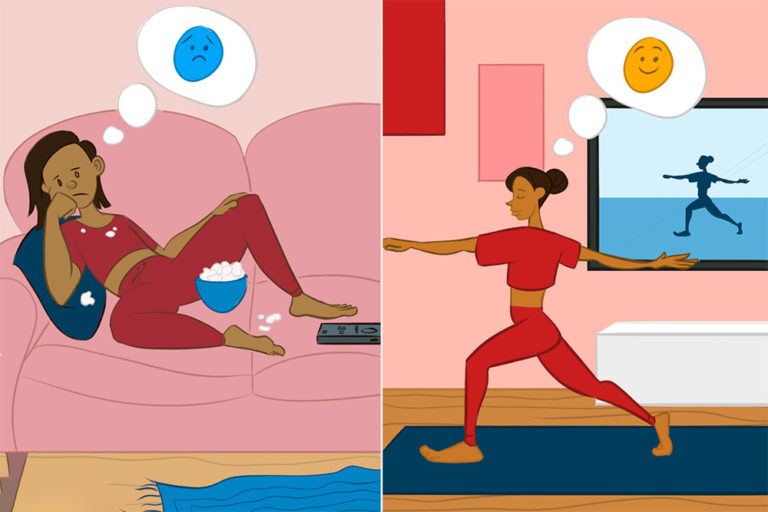

The effect of physical exercise on depression
In recent years, an increasing number of studies have focused on the effect of physical exercise on depression and anxiety disorders.
Although it has not been scientifically proven that physical exercise cures depression and anxiety disorders, several studies conducted in America and Europe have observed that physical exercise can significantly contribute to the management of depression and anxiety disorders.
Exercise enhances your overall health and sense of well-being, which gives you more vitality every day. However, exercise also offers immediate benefits in combating stress.
According to published research, physical exercise enhances the secretion of endorphins (hormones that contribute to a good mood), aids in muscle relaxation, contributes to better sleep quality, helps reduce cortisol secretion (a hormone related to stress), and increases body temperature, inducing a sense of relaxation in the individual. Exercise and stress relief
The beneficial effects of physical exercise can positively impact symptoms associated with depression and anxiety disorders, such as: reduced appetite, disturbed sleep, motor tension (nervousness, inability to relax), restlessness, feelings of fatigue, anger, and more.
Specifically, physical exercise can help
- Self-confidence: Completing a physical exercise program provides a sense of achieving a goal for oneself. Physical exercise helps improve body image and boosts self-esteem.
- Distraction: Individuals experiencing depression and/or anxiety disorders typically focus their attention on negative thoughts and emotions. Physical exercise can help them divert their attention from unpleasant thoughts and focus on physical activity, as well as other stimuli during exercise (e.g., music).
- Socialization: Depression and anxiety disorders can lead to isolation. A physical exercise program at a gym or another location outside the home allows individuals to maintain and increase their social contacts. For individuals experiencing depression and/or anxiety disorders, incorporating physical exercise into their weekly routine may seem particularly difficult, if not impossible.
To address this difficulty, the following can help
- Contact with a mental health professional and the psychotherapy process (exercise can be part of the psychotherapeutic process)
- Identifying the type of physical exercise that the individual enjoys most
- Setting realistic goals regarding physical exercise (duration, intensity, frequency)
- Positive thinking regarding exercise. Exercise is not ‘forced labor’; on the contrary, it can help, along with medication and psychotherapy, in managing the symptoms of depression and anxiety disorders.
Information used: MAYO CLINIC / MAYO FOUNDATION FOR MEDICAL EDUCATION & RESEARCH, 2024
Tatiana Xenou
Health Psychologist, MSc